
Myth: Percale is Always More Durable Than Sateen

When it comes to durability, percale always outperforms sateen, right? Wrong.
It’s true that the difference in weave patterns contributes to the performance of the fabric.
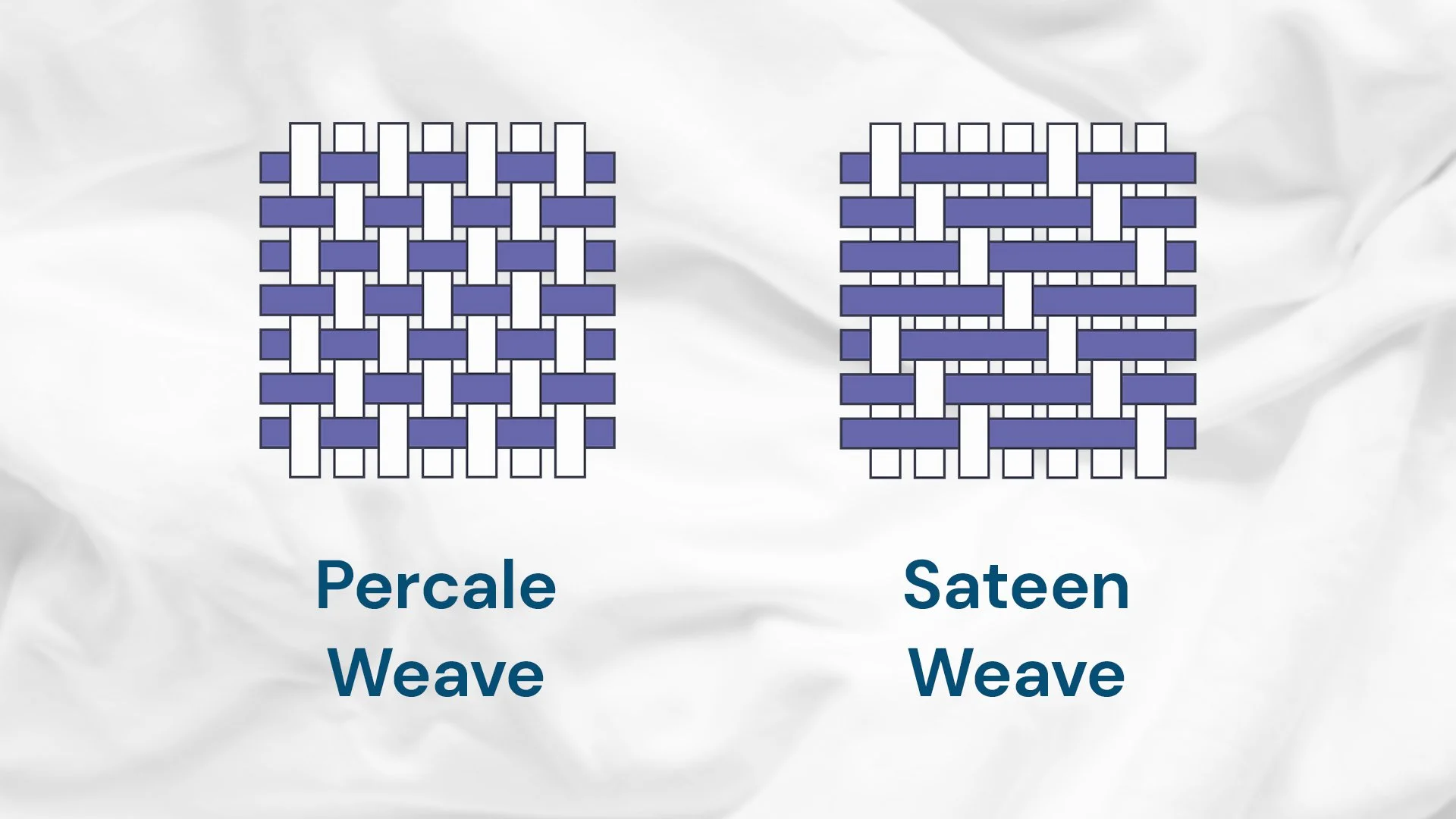
Percale uses a simple one-over, one-under weave pattern. The frequent interlacing of the yarns allows stress to be distributed more evenly throughout the fabric, helping it perform well under repeated commercial laundering.
Sateen, by contrast, uses one-over, three- or four-under weave pattern, creating floats that provide a smoother hand-feel but that are also more exposed to friction and abrasion over time.
Does that mean percale will always be more durable than sateen?
Not necessarily.
If all other factors are equal, then yes, percale generally has an advantage from a durability perspective because its frequent interlacing creates a more stable structure.
In reality though, many more variables, such as fiber quality, staple length, yarn construction, weight, and finishing, contribute to the fabric’s durability. A 400 thread-count, long-staple combed cotton sateen can outperform a 200 thread-count, short-staple low-quality percale.
You absolutely need to factor in weave structure when evaluating durability; just don’t make it the only consideration.